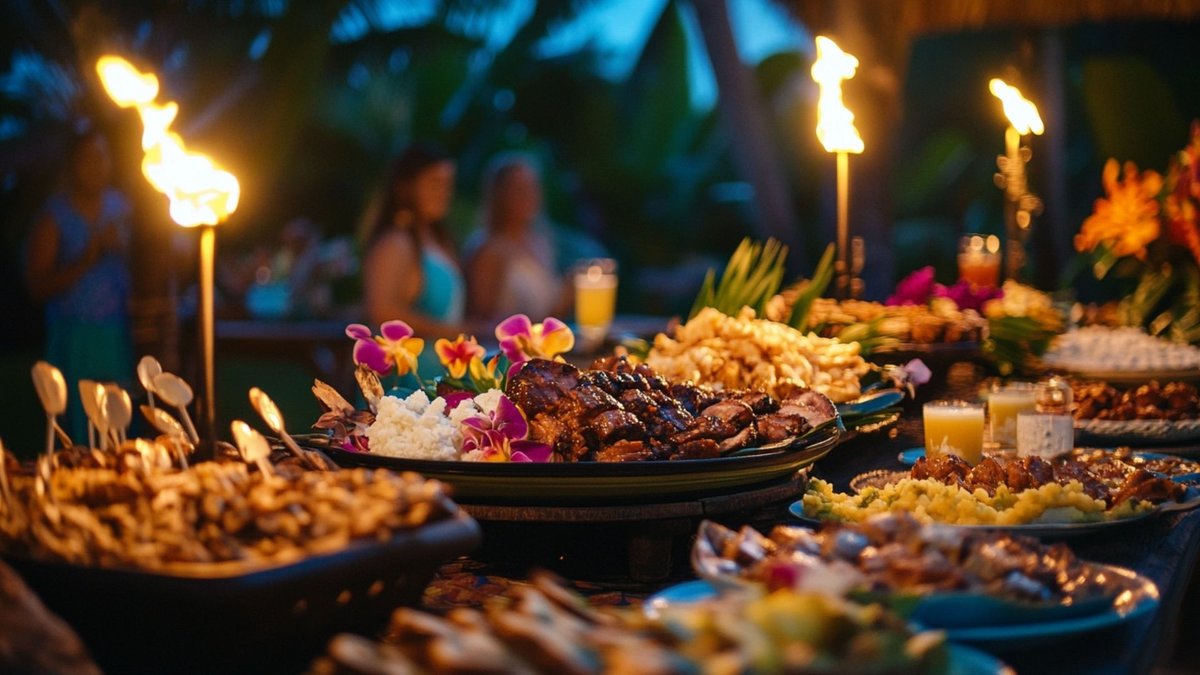
Navigating Kauaʻi’s vibrant food scene doesn’t always mean booking a full luau show to savor traditional Hawaiian flavors. Many visitors crave the authentic tastes—the smoky kalua pig, the unique poi, the comforting laulau—without the time commitment, cost, or entertainment package of a typical luau. Fortunately, finding traditional Hawaiian food Kauaʻi luau alternatives is not only possible but can lead to a more intimate and customizable culinary adventure.
At a Glance: Your Guide to Kauaʻi’s Authentic Eats Without the Show
- Discover Core Hawaiian Dishes: Learn the essence of kalua pig, poi, laulau, and other staples beyond the luau setting.
- Pinpoint Local Hotspots: Identify types of establishments—from food trucks to local delis—that serve genuine Hawaiian cuisine.
- Craft Your Own Culinary Tour: Get practical advice for assembling a personalized food experience across Kauaʻi.
- Embrace Local Freshness: Understand how Kauaʻi's fresh produce and seafood integrate into traditional and modern island dishes.
- Navigate "Acquired Tastes": Learn strategies for trying dishes like poi, even if they're new to your palate.
Beyond the Fire Pit: Why Seek Luau Alternatives for Hawaiian Food?
Kauaʻi's luaus are undeniably magnificent spectacles, rich with dance, music, and storytelling, culminating in a grand feast. However, for some, the primary draw is the food itself – the distinct flavors that speak of generations of island tradition. Whether it's budget constraints, a desire for a quieter dining experience, or simply a preference to focus solely on the culinary aspect, there are compelling reasons to explore alternatives.
Seeking out traditional Hawaiian food Kauaʻi luau alternatives allows for flexibility, offering a chance to sample a wider variety of local fare at your own pace. You can enjoy a plate lunch of kalua pig one day, fresh poke another, and perhaps a taro-based dessert, all without committing to a single, multi-hour event. This approach provides an à la carte experience of Kauaʻi's culinary heritage, blending authentic Hawaiian staples with the island's incredible seafood and local produce. For a broader look at all the fresh island delights Kauaʻi has to offer, including both traditional and innovative dishes, be sure to explore our full guide on Experience Kauai's Island Delights.
Deconstructing Traditional Hawaiian Flavors (Without the Show)
To find authentic Hawaiian food outside of a luau, you first need to know what you’re looking for. The core of traditional Hawaiian cuisine revolves around a few key dishes, often centered on indigenous ingredients like taro, breadfruit, and pork or fish. These are the flavors that define the islands.
The Staples You Must Try
- Kalua Pig (Kālua Puaʻa): This isn't just pork; it's a culinary ritual. Slow-roasted for 8–12 hours, traditionally in an imu (underground oven) wrapped in banana and ti leaves, kalua pig is incredibly tender, smoky, and subtly salty. It’s the centerpiece of any traditional Hawaiian meal.
- Poi: A cultural cornerstone, poi is made from pounded taro root. Its creamy, subtly tangy flavor and unique texture make it an "acquired taste" for some. It's often served in varying consistencies, from "three-finger" (thicker) to "one-finger" (thinner), and is best experienced alongside savory dishes.
- Laulau: Chunks of pork or fish (often butterfish) are wrapped in taro leaves, then further bundled in ti leaves, and steamed or baked in the imu. This process imparts an earthy, slightly nutty flavor to the succulent filling. Vegetarian versions, sometimes with sweet potato, are also common.
- Lomi-Lomi Salmon: A refreshing, chilled salad. It combines salted salmon, diced tomatoes, and onions, offering a bright, savory counterpoint to richer dishes. It acts as a delightful palate cleanser.
- Haupia: A cool, jiggly, and naturally sweet dessert made from coconut milk pudding. It’s a universally loved treat, light and refreshing after a hearty meal.
- Kulolo: A denser, richer dessert, kulolo blends taro and coconut, offering a deeper, more substantial sweetness than haupia. It’s a less common but highly prized traditional confection.
These dishes reflect centuries of sustainable agriculture and the strong cultural significance of ʻohana (family) through communal meals. Finding them typically means visiting local eateries that specialize in Hawaiian plate lunches or groceries with dedicated deli sections.
Kauaʻi's Culinary Gems for Authentic Eats and Local Flavors
While a "traditional Hawaiian restaurant" per se is less common than, say, a "Thai restaurant," Kauaʻi offers numerous opportunities to sample authentic dishes and local-style preparations that capture the spirit of island cuisine. The key is knowing where to look for specific items rather than expecting every traditional dish under one roof, outside of a luau.
Local Markets & Plate Lunch Powerhouses
For kalua pig, laulau, lomi-lomi salmon, and sometimes poi, your best bet lies in local delis, grocery store hot bars, and specialized plate lunch restaurants. These establishments cater to locals and often serve food prepared with authentic methods.
- Plate Lunch Spots: Keep an eye out for unassuming diners or drive-ins advertising "Local Food" or "Hawaiian Plates." These are prime spots for generous portions of kalua pig, served with rice and macaroni salad (a local favorite, though not traditional Hawaiian).
- Grocery Store Delis: Larger grocery stores like Foodland or Safeway often have extensive deli sections featuring poke, kalua pig, laulau, lomi-lomi salmon, and haupia. These are convenient and surprisingly authentic options for building your own Hawaiian meal.
- Farmer's Markets: While you might not find cooked kalua pig here, farmer's markets are excellent for fresh taro, breadfruit, and local produce that forms the backbone of Hawaiian cooking. Some might also feature vendors selling freshly made poi or haupia.
Where to Find Kauaʻi's Fresh Seafood & Local Fusion (Complementing Traditional Fare)
While not strictly "traditional Hawaiian food," Kauaʻi's seafood scene perfectly complements an exploration of island flavors. Many local spots infuse traditional ingredients or techniques into modern dishes, offering a broader taste of Kauaʻi.
- Authentic Poke Bowls: A true Hawaiian staple, poke is cubed raw fish, seasoned and served in various styles. For a consistently fresh and locally-sourced experience, Kauaʻi Poke Co in Kōloa is renowned for its authentic poke bowls. It's an essential stop for this traditional dish.
- Grilled Mahi Mahi & Local Fish: Many restaurants specialize in fresh-caught fish, prepared with island flair. While Duke’s Kauaʻi in Līhuʻe is known for its vibrant atmosphere and grilled mahi mahi, places like Bar Acuda in Hanalei also feature incredible seafood dishes like their rich Coconut Seafood Curry, packed with local vegetables and fresh catch.
- Signature Garlic Shrimp: Food trucks are a fantastic way to experience local specialties. Savage Shrimp’s food truck in Poʻipū offers generously sautéed garlic shrimp, a beloved local comfort food.
- Taro-Wrapped ʻOpakapaka: Some upscale restaurants offer innovative dishes that still intertwine Kauaʻi’s culinary traditions. Tidepools, within the Grand Hyatt Resort in Poʻipū, serves taro-wrapped ʻopakapaka, showcasing a refined take on local ingredients.
- Ahi Tuna Nachos: For a delicious fusion of island and contemporary flavors, Kalapaki Joe’s (Līhuʻe and Poʻipū) presents Ahi Tuna Nachos, layered with seasoned ahi, tropical salsa, and wasabi aioli. These dishes highlight Kauaʻi's fresh fish in a unique way.
These establishments, while not always serving a full "traditional Hawaiian plate," demonstrate the island's culinary prowess and offer essential tastes that define Kauaʻi’s vibrant food landscape.
Crafting Your DIY Hawaiian Food Journey
Putting together your own Hawaiian food experience is about being intentional and knowing what you want to try. Here’s how to plan your alternative luau feast:
- Identify Your Must-Try Dishes: Start with kalua pig, poi, and laulau. These are the bedrock. Then add lomi-lomi salmon, haupia, and perhaps some fresh poke.
- Scout Local Sources:
- For Kalua Pig & Laulau: Look for local Hawaiian plate lunch spots. Ask hotel staff or locals for recommendations for the "best Hawaiian food" or "best kalua pig." Grocery store delis are also reliable for these staples.
- For Poi: This can be trickier. Grocery stores often carry pre-packaged poi in the refrigerated section. If you want it super fresh, some specialized Hawaiian delis might make their own.
- For Poke: Kauaʻi Poke Co is a must-visit. Most grocery store delis will also have an excellent selection.
- For Haupia & Kulolo: Grocery store bakeries, delis, and local snack shops are good sources.
- Mix and Match: Don't feel obligated to get everything from one place. You might grab kalua pig from a plate lunch spot, fresh poke from Kauaʻi Poke Co, and haupia from a grocery store. This allows you to cherry-pick the best versions of each.
- Embrace the "Grab and Go" Culture: Many local food establishments are designed for takeout. Grab your feast and find a beautiful spot for a picnic—a beach park, a scenic overlook, or even your hotel lanai.
- Pair with Local Beverages: Complement your meal with fresh tropical juices, coconut water, or even a local craft beer.
Case Snippet: The Poʻipū Picnic Feast
Imagine you're staying in Poʻipū. You start your day with a visit to a local grocery store, picking up a container of fresh poi and some haupia from the deli. Then, you head over to a nearby plate lunch spot (perhaps one recommended by a local for their kalua pig), ordering a hearty plate. A quick detour to Kauaʻi Poke Co nets you a couple of different poke bowls. With your diverse spread, you drive to Poʻipū Beach Park, find a shady spot, and enjoy your personalized, authentic Hawaiian meal with the sound of waves in the background – no show, just pure flavor and natural beauty.
Beyond the Plate: Embracing the Spirit of Aloha
While the food is central, the essence of Hawaiian culture extends beyond the palate. Even without the full luau experience, you can still immerse yourself in the spirit of Aloha:
- Engage with Locals: Ask questions about the food, its history, and how it’s prepared. Many locals are eager to share their culture.
- Explore Taro Fields: Drive through areas like Hanalei and see the vast taro fields, understanding the source of poi and laulau. This connects you to the agricultural heritage.
- Visit Cultural Centers: Locations like the Kauaʻi Museum in Līhuʻe offer insights into Hawaiian history and customs, providing context for the food you're enjoying.
- Listen to Hawaiian Music: Seek out local musicians playing traditional or contemporary Hawaiian music in casual settings like restaurants or public parks.
Practical Playbook: Your Kauaʻi Food Quest Checklist
Here’s a quick-start guide to ensure you find those delicious traditional Hawaiian food Kauaʻi luau alternatives:
- Before You Go: Research local plate lunch establishments and grocery store delis on Kauaʻi for current menus and operating hours. Websites like Yelp or TripAdvisor with local filters can be useful, but word-of-mouth is often best.
- Target Specific Dishes: Don't just ask for "Hawaiian food"; ask for "kalua pig," "poi," or "laulau." This helps narrow down reliable sources.
- Grocery Store Strategy: Make a specific trip to a large grocery store like Foodland or Safeway (located in Līhuʻe, Kapaʻa, Princeville). Their hot bars and deli sections are treasure troves.
- Food Truck Fortunes: Keep an eye out for food trucks specializing in local plate lunches or poke. They often offer great value and authentic flavors.
- Don't Overlook Small Delis: Many small, independent delis, especially in less touristy areas, are fantastic for daily specials of Hawaiian comfort food.
- Embrace Poke: It’s readily available and a cornerstone of Hawaiian cuisine. Try different styles and flavors.
- Be Open to "Acquired Tastes": Poi might not be love at first bite, but try it with kalua pig or lomi-lomi salmon to balance its unique flavor and texture. Think of it as a cultural experience.
- Ask for "Local Style": When ordering seafood, asking for it "local style" often means a preparation that highlights the fresh fish with simple, delicious seasonings.
Quick Answers: Your Hawaiian Food FAQ
Q: Can I find kalua pig easily without going to a luau?
A: Absolutely. Many local plate lunch restaurants, Hawaiian delis, and even the hot bars at larger grocery stores (like Foodland or Safeway) offer delicious kalua pig by the plate or pound. It's often served with rice and macaroni salad.
Q: Where can I buy poi on Kauaʻi?
A: Your best bet for poi is typically in the refrigerated section of major grocery stores. Some specialty Hawaiian food stores or delis might also carry it, often in various consistencies. Don't be shy to ask store employees.
Q: Are there vegetarian options if I'm trying traditional Hawaiian food?
A: Yes, many traditional Hawaiian meals can accommodate vegetarians. While kalua pig and laulau are often meat-based, you can find sweet potato laulau, various fresh fruit platters, haupia, poi, and sometimes vegetable-based side dishes. Fresh poke bowls can also be made with tofu or other plant-based ingredients at some establishments.
Q: What's the best way to try poi if I'm not sure I'll like it?
A: Try it in small amounts alongside savory, salty dishes like kalua pig or lomi-lomi salmon. The starchiness of poi helps cut through richness, and the combination of flavors can be very enjoyable. Think of it as a palate cleanser or a unique accompaniment, similar to how bread might be used in other cuisines.
Q: Do any of the restaurants known for seafood also serve traditional Hawaiian dishes?
A: While restaurants like Duke’s Kauaʻi or Tidepools are primarily known for their seafood and fine dining, they often incorporate local ingredients and flavors that echo Hawaiian traditions. For specific traditional dishes like kalua pig or laulau, however, you'll generally have more luck at dedicated local plate lunch spots, delis, or grocery store hot bars rather than high-end seafood restaurants. Poke, being a seafood dish, is a notable exception and can be found at many seafood-focused eateries and dedicated poke counters.
Your Personal Kauaʻi Culinary Adventure Awaits
Stepping beyond the structured luau allows for a deeply personal exploration of Kauaʻi’s culinary heart. By understanding the core traditional dishes and knowing where to seek them out, you can curate a collection of authentic flavors that resonate with the island’s heritage. From the smoky depths of kalua pig to the vibrant freshness of poke and the subtle sweetness of haupia, Kauaʻi offers a delicious journey for every palate. Embrace the local scene, engage with the community, and savor the genuine tastes of the Garden Isle, one plate at a time.